Dependable General Contractor: Making Dreams Into Reality
A trusted general contractor is essential in turning architectural visions into physical structures. By managing timelines and budgets, they make certain projects unfold smoothly. Their expertise builds a collaborative environment, critical for minimizing risks. However, not all contractors are created equal. Understanding how to choose the right one is fundamental for any successful project. What important qualities should one look for, and how can they influence the overall outcome?
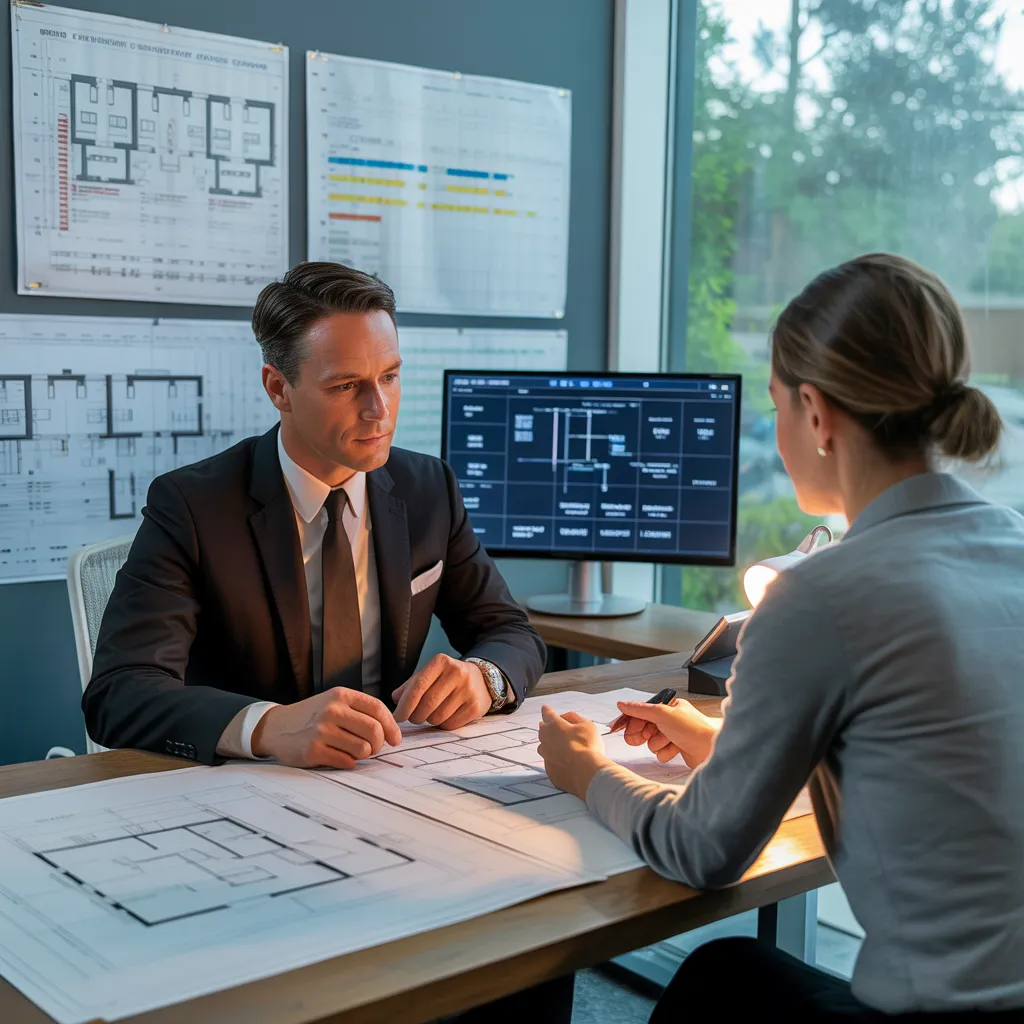
What Approaches Help You Determine a Reputable General Contractor?
How can someone evaluate the reliability of a general contractor? Reviewing a contractor's reputation is essential. One efficient method is to obtain suggestions from personal contacts and web-based reviews, which provide details into previous work and patron happiness. Furthermore, checking proper licensing and insurance guarantees that the contractor complies with industry standards and safeguards against foreseeable issues. Examining earlier assignments, either through portfolio samples or location tours, enables you to measure the caliber of their craftsmanship.
Furthermore, collecting various proposals supports assessment of pricing and project timelines, revealing any inconsistencies that may demonstrate unreliability. Effective correspondence is another crucial factor; a dependable service provider should be responsive and straightforward in their dealings. Finally, verifying testimonials can provide beneficial information about a contractor's work ethic and reliability. By following these approaches, one can make informed determinations when selecting a general contractor for building undertakings.
Vital Traits of a Superior General Contractor
A excellent construction expert possesses fundamental attributes that validate project success. Excellent communication abilities enable transparent interactions with clients, construction partners, and material providers, while solid background in project administration assures timely and budget-conscious delivery. These characteristics are crucial in transforming a vision into reality.
Excellent Communicative Competencies
While solid project management is crucial for a general contractor, strong communication skills often serve as the cornerstone for fruitful partnerships. These competencies enable a contractor to clearly convey project objectives, guaranteeing that all team members and stakeholders are in sync. Strong communication fosters trust, allowing for transparent discussions concerning timelines, budgets, and changes. A good general contractor carefully hears out clients, subcontractors, and suppliers, addressing concerns promptly and adapting to feedback. This two-way dialogue not only improves issue resolution but also creates a positive working environment. Additionally, clear communication reduces misunderstandings, which can lead to costly delays or errors. Ultimately, strong communication skills empower a general contractor to manage obstacles effectively, ensuring that projects progress smoothly from inception to completion.
Demonstrated Project Management Skills
Demonstrating verified project management experience is crucial for any general contractor seeking for success. Effective project management entails meticulous planning, resource allocation, and timeline adherence. A seasoned contractor demonstrates an ability to coordinate multiple teams, ensuring that architects, engineers, and subcontractors collaborate seamlessly. Furthermore, they skillfully handle challenges, employing problem-solving skills to keep projects on track and within budget. Their experience allows them to foresee potential issues, mitigating risks before they escalate. Additionally, strong project management fosters transparency, enabling clients to stay informed throughout the construction process. By prioritizing quality control and following safety standards, a general contractor with proven experience not only delivers exceptional results but also builds lasting relationships grounded in trust and reliability.
The Benefits of Selecting a Credible General Contractor
Contracting with a reliable general contractor delivers significant rewards in any construction project. Their proficiency and background confirm that tasks are completed to high standards, while also promoting operational efficiency and budget control. This combination allows property holders and enterprises to focus on their aspirations without the stress of project management.
Expertise And Experience
Engaging a reliable general contractor provides a great deal of knowledge and experience to any construction project. Their extensive knowledge of building codes, regulations, and industry standards secures that every aspect of the construction process is aligned and effective. Seasoned contractors have honed their skills through many projects, allowing them to foresee potential challenges and formulate effective solutions. Their solid relationships with subcontractors and suppliers further improve the quality of work and materials used. Additionally, a trusted general contractor possesses strong project management skills, overseeing timelines, budgets, and resources smoothly. This expertise not only reduces risks but also builds a collaborative environment, changing a client’s vision into a concrete reality while upholding high standards throughout the construction journey.
Schedule and Cost Savings
A trusted general contractor greatly enhances time and cost efficiency in construction projects. They manage different subcontractors and suppliers to optimize workflows, reduce delays, and make sure tasks are finished on time. Their solid connections within the industry frequently produce better rates on materials and labor, decreasing overall project expenses. Moreover, a skilled contractor actively detects potential problems, enabling prompt solutions that avoid expensive delays. Their expertise in project management enables effective resource allocation, ensuring that labor and materials are used efficiently. In the end, employing a trustworthy general contractor speeds up project timelines while protecting the budget, giving clients peace of mind and assurance in their investment.
Optimizing Your Assignment With a General Contractor
Effective project planning often copyrights on the expertise of a general contractor. By serving as the central hub in the construction project, a general contractor coordinates various aspects of the project, ensuring seamless interaction among subcontractors, suppliers, and clients. This cohesive approach minimizes delays and reduces the chance of miscommunication, which can lead to costly errors.
A project leader streamlines the execution by establishing clear schedules and frameworks, allowing all stakeholders to stay connected to project deliverables. They also possess the knowledge to recognize challenges, driving aggressive problem-solving. Additionally, they manage authorizations and quality checks, diminishing the onus on consumers and ensuring compliance with local regulations.
Ultimately, the participation of a skilled general contractor transforms complex projects into handleable responsibilities, allowing homeowners and developers to focus on their vision while appreciating peace of mind throughout the construction process. This collaboration fosters a more optimized and successful project outcome.
Top 5 Issues to Evade When Appointing a Contractor
How can homeowners ensure they select the right contractor for their project? Steering clear of common pitfalls is essential. First, homeowners should steer clear of choosing a contractor solely based on the lowest bid. Quality often comes at a price, and a low estimate may suggest inadequate experience or hidden costs. Second, omitting check references can lead to selecting someone questionable or unreliable. Third, neglecting to verify licenses and insurance can expose homeowners to legal and financial liabilities. Fourth, not planning project timelines in detail may result in unexpected delays and frustrations. Ultimately, homeowners often overlook the importance of clear communication. A contractor who doesn't listen to concerns or provide updates can cause misunderstandings. By steering clear of these mistakes, homeowners can enhance their chances of selecting a contractor who will effectively bring their vision to life.
Important Questions to Pose Prior to Finalizing a Deal?
What essential questions should property owners consider before entering into a contract with a service provider? Initially, they should ask regarding the service provider's licensing and coverage status. Valid credentials safeguard homeowners from possible risks. Next, asking for references and reviewing past projects can offer insight into the contractor's dependability and workmanship. Homeowners should also discuss timelines—understanding the projected start and completion dates is essential for planning.
Furthermore, explaining payment terms is important; homeowners must know the deposit required and the timeline for subsequent payments. Moreover, homeowners should question what will happen if unexpected issues emerge during the undertaking, including order changes and how they will be handled. Ultimately, comprehending warranty conditions on both workmanship and supplies can offer reassurance. By tackling these inquiries, homeowners can make informed decisions and create a solid foundation for their project.
Building a Long-Term Connection With Your General Contractor
Building a solid relationship with a general contractor can greatly enhance the overall experience of a home building or remodeling project. Clear dialogue is the cornerstone of this partnership, promoting trust and transparency. Homeowners should emphasize open dialogue, discussing expectations, schedules, and financial limitations early in the process.
Ongoing interactions and notifications can help resolve issues promptly, ensuring that both parties stay coordinated throughout the project. Additionally, recognizing the contractor's expertise can build mutual respect and inspire a collaborative atmosphere.
Flexibility is also essential; recognizing that challenges may arise can pave the way for solution-finding and adaptation. A positive rapport can result in better work, as contractors are more likely to dedicate extra time when they sense appreciation. Ultimately, a lasting partnership with a general contractor not only contributes data to a thriving venture but can also generate possibilities for future collaborations.
Often Posed Concerns FAQ
In What Ways Do General Contractors Handle Unexpected Project Changes?
General contractors oversee unexpected project changes by evaluating the situation, consulting with relevant parties, adjusting timelines and budgets, and implementing solutions. Flexibility and problem-solving skills are necessary in maintaining project momentum despite unforeseen challenges.
What Varieties of Works Do General Contractors Generally Control?
General contractors habitually oversee an array of projects, encompassing residential renovations, commercial development, infrastructure development, and tailored implementations. Their expertise comprises synchronization, budget management, and project scheduling, confirming successful completion among diverse construction methodologies and varying levels of difficulty.
In What Way Do Payment Schedules Function With a Contractor?
Payment arrangements with a general contractor typically consist of upfront deposits, followed by progress payments connected to project milestones. Final payments are made upon project completion, making sure both parties stay aligned on budgetary obligations throughout the construction process.
Can a construction contractor Help With licenses and compliance requirements?
A general contractor can certainly help with permits and regulations. They typically handle local building codes, file necessary documents, and ensure adherence to regulations, making the process simpler for clients and preventing costly regulatory problems.
What results if the Project goes beyond the preliminary Budget?
If a contract exceeds the original budget, the service provider typically notifies the reasons for the growth. They may recommend adjustments, secure stakeholder endorsement, and consider budget-conscious variations to keep the work item on timeline.